The question of the best time to visit Vietnam is not a simple one. Stretching across multiple climate zones, Vietnam offers diverse weather patterns that vary significantly from north to south. This comprehensive guide will help you understand Vietnam’s regional climates and seasonal highlights, allowing you to plan your trip with confidence and maximize your travel experience.
Overview: Understanding Vietnam’s Climate Diversity
Contents
- 1 Overview: Understanding Vietnam’s Climate Diversity
- 2 1. Best Time to Visit Vietnam by Region
- 3 2. Best Time to Visit Vietnam by Month
- 4 3. Best Time to Visit Vietnam by Destination
- 5 4. Best Time to Visit Vietnam for Festivals
- 6 Final Thoughts
Vietnam, often described as an S-shaped country stretching along Southeast Asia’s eastern coast, is one of the most captivating travel destinations in Asia. Its varied geography—from mountainous north to tropical south—means that weather conditions can differ dramatically depending on where and when you travel.
This diversity can make trip planning challenging, but with the right insights, you can choose the ideal time to explore each region without confusion or guesswork.
1. Best Time to Visit Vietnam by Region
1.1. Northern Vietnam (Hanoi, Ha Long Bay, Sapa)
The best time to explore northern Vietnam is from October to April. During these months, the weather is cooler and drier, with temperatures ranging from pleasantly mild to refreshingly chilly.
Between November and March, conditions are especially favorable for trekking in Sapa’s mountainous landscapes and discovering Hanoi’s cultural landmarks. Lower humidity and cooler temperatures make outdoor exploration far more comfortable.
1.2. Central Vietnam (Hue, Da Nang, Hoi An)
Central Vietnam follows a different climate rhythm. The ideal travel period here is from February to August, when the weather is warm, dry, and perfect for beach activities.
From April to August, the region enters its peak tourist season, offering long sunny days and excellent conditions for enjoying coastal destinations like Da Nang and Hoi An.
1.3. Southern Vietnam (Ho Chi Minh City, Mekong Delta, Phu Quoc)
Southern Vietnam has a tropical climate with two main seasons: dry and rainy.
The dry season, from December to April, is considered the best time to visit. Expect abundant sunshine, minimal rainfall, and ideal conditions for exploring Ho Chi Minh City, cruising the Mekong Delta, or relaxing on Phu Quoc’s beaches.
2. Best Time to Visit Vietnam by Month
January – March
Northern Vietnam experiences cool temperatures, occasional drizzle, and higher humidity. This period also coincides with Tet (Lunar New Year), Vietnam’s most important cultural celebration. Travelers can experience vibrant traditions and festivals in destinations like Hanoi, Sapa, Ha Giang, Nam Dinh, and Lang Son.
March – April
These months offer some of the most pleasant weather nationwide. With minimal rainfall and moderate sunshine, it’s an excellent time for outdoor activities such as hiking, cycling, and nature exploration.
June – September
This is Vietnam’s peak summer season and the best time for beach tourism. Coastal destinations like Nha Trang, Da Nang, and Phu Quoc become popular for swimming, snorkeling, surfing, and sunbathing.
October – December
Northern Vietnam cools down, while central and southern regions enjoy more comfortable temperatures. This is a great time to explore cities and cultural destinations in the central and southern parts of the country.
3. Best Time to Visit Vietnam by Destination
3.1. Phu Quoc Island
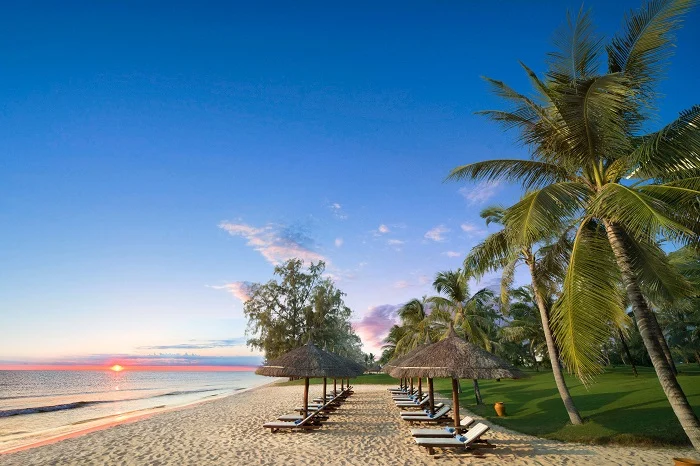
Phu Quoc enjoys a pleasant tropical climate year-round, with an average temperature of around 28°C. Sunshine is abundant, humidity is moderate, and visibility is excellent—ideal for outdoor adventures.
Dry Season (November – April)
This is the best time to visit Phu Quoc. Expect sunny skies, temperatures between 24–28°C, calm winds, and very little rain.
It’s perfect for swimming, diving, motorbike exploration, camping, photography, and birdwatching. However, as this is peak travel season, booking accommodation in advance is highly recommended.
Rainy Season (May – September)
Temperatures rise in late April, with May and June being the hottest months. Rainfall gradually increases, making outdoor activities less predictable.
3.2. Nha Trang
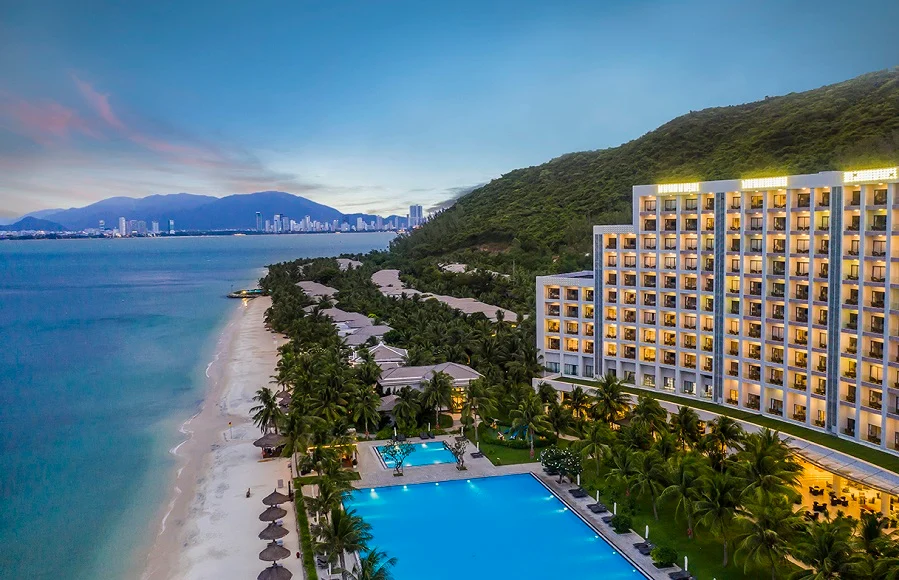
Nha Trang is known for its balanced climate, influenced by both tropical monsoon and oceanic conditions. Average temperatures hover around 26°C.
Best Time: February – May
This period offers sunny weather, blue skies, mild winds, and crystal-clear waters—ideal for beach activities. It’s also less crowded than peak season.
For snorkeling and diving, April to August provides the best underwater visibility.
Rainy Season (September – December)
Heavy rains and occasional storms can disrupt travel plans. However, accommodation prices drop significantly, making it a budget-friendly option.
3.3. Hoi An
Hoi An features a tropical monsoon climate with distinct wet and dry seasons.
Best Time: February – April
Cool, pleasant weather and fewer crowds make this the perfect time to stroll through the ancient town and enjoy its peaceful atmosphere.
By May and June, temperatures rise, making nearby beaches an attractive escape.
Rainy Season (August – December)
Flooding can occur due to the town’s riverside location, which may impact sightseeing.
3.4. Da Nang
Da Nang shares similar weather patterns with Hoi An.
Best Time: February – April
Sunny skies, moderate humidity, and comfortable conditions make this period ideal for exploring both city attractions and beaches.
Summer (April – July) also attracts many tourists seeking coastal relaxation.
Rainy Season
Frequent rain, cloudy skies, and slippery roads can limit outdoor activities.
3.5. Hanoi
Vietnam’s capital experiences four distinct seasons.
Best Time: Autumn (August – October)
Cool temperatures, low rainfall, and clear skies create perfect sightseeing conditions. Hanoi’s poetic autumn scenery is particularly beloved by travelers.
Spring (February – April) is another excellent time, with blooming flowers and festive energy.
Summer & Winter
Summers are hot and humid, while winters can be surprisingly cold.
3.6. Ho Chi Minh City (Saigon)
This bustling southern metropolis has a hot, humid climate with around 159 rainy days annually.
Best Time: Dry Season (December – April)
Clear skies and minimal rain make it easy to explore historical landmarks, vibrant streets, and outdoor attractions.
Rainy Season (May – November)
Rainfall can be heavy but usually short-lived, often followed by sunshine.
3.7. Ha Long Bay
Ha Long Bay experiences four seasons, each offering a unique perspective.
Best Time: December – January
Cool temperatures (15–21°C), low rainfall, and calm conditions make this ideal for cruises, kayaking, and cave exploration.
Avoid: June – September
This is the typhoon season, when storms may disrupt or cancel cruises.
4. Best Time to Visit Vietnam for Festivals
4.1. Tet (Lunar New Year)
Vietnam’s most important holiday, usually between mid-January and late February. Visiting a week before or after Tet allows you to experience vibrant markets and traditional celebrations.
4.2. Hue Festival
Held every two years (April–June), this cultural event showcases royal ceremonies, traditional arts, and historical performances.
4.3. International Fireworks Festival (Da Nang)
Typically held between May and July, featuring spectacular performances from international teams.
4.4. Mid-Autumn Festival
Occurs between September and October. Streets come alive with lanterns, decorations, and festive energy.
4.5. National Day (September 2)
Celebrated nationwide with parades, fireworks, and patriotic festivities.
Final Thoughts
Vietnam offers something special in every season. Because each region has its own climate and character, there is no single “perfect” time to visit the entire country. Instead, the best time depends on your itinerary and travel goals.
With this detailed guide, you can confidently choose when and where to go—ensuring your Vietnam journey is as rewarding and memorable as possible.